
Unveiling the historical evolution of gambling practices across cultures
Origins of Gambling in Ancient Civilizations
The history of gambling can be traced back thousands of years, with some of the earliest records found in ancient China, where rudimentary forms of dice games were played as early as 2000 BCE. These games, often associated with divination, were not merely for entertainment; they also held cultural significance, reflecting the complex relationship between fate and fortune in Chinese society. Interestingly, many people now gravitate towards basketball betting sites to engage with modern forms of chance. Similarly, in ancient Mesopotamia, archaeological evidence indicates that gambling with dice was prevalent around 3000 BCE, suggesting that the allure of chance has been a fundamental part of human experience across different cultures.

In ancient Egypt, gambling was often linked to religious ceremonies, with games being a means to divine the will of the gods. The Egyptians played various games involving dice and betting, which were considered a way to engage with divine favor. This connection between gambling and spirituality highlights how deeply ingrained these practices were in cultural rituals, serving purposes beyond mere amusement. Furthermore, the use of betting in these early civilizations provided insight into societal values, including the concepts of luck and skill.
As we move to ancient Greece and Rome, gambling practices evolved significantly. The Greeks established popular games like knucklebones and betting on sports, particularly the Olympic Games. The Romans, on the other hand, were notorious for their more organized betting systems, which included betting on gladiatorial games and chariot races. These activities not only showcased the cultural appreciation for competition but also indicated the burgeoning complexity of gambling as it began to be formalized within societal structures.
The Middle Ages: Gambling’s Transformation
The Middle Ages marked a significant transition in gambling practices as they became increasingly formalized and regulated. During this period, card games emerged in Europe, likely influenced by the introduction of playing cards from Asia. By the late 14th century, card games had gained immense popularity, with diverse variations and betting systems arising across different regions. This era also saw the establishment of the first gambling houses, providing dedicated spaces for patrons to engage in games of chance, further embedding gambling within the social fabric.
Interestingly, gambling during the Middle Ages was often viewed with a mix of fascination and disapproval. While some saw it as a noble pastime, authorities and religious institutions frequently condemned it, associating it with moral decay. This duality led to the establishment of various laws aimed at regulating gambling activities, indicating that society was grappling with the moral implications of betting. These regulations not only shaped the way gambling was conducted but also set the stage for ongoing societal debates about its place in culture.
As the Renaissance approached, gambling continued to evolve, reflecting broader social changes. The introduction of lotteries in the 16th century provided a new avenue for gambling, blending elements of chance with community fundraising. These public lotteries became popular across Europe, with proceeds often allocated for public works and charitable causes. This development illustrates how gambling practices adapted to meet societal needs, indicating their resilience and relevance throughout history.
Modern Gambling: A Global Phenomenon
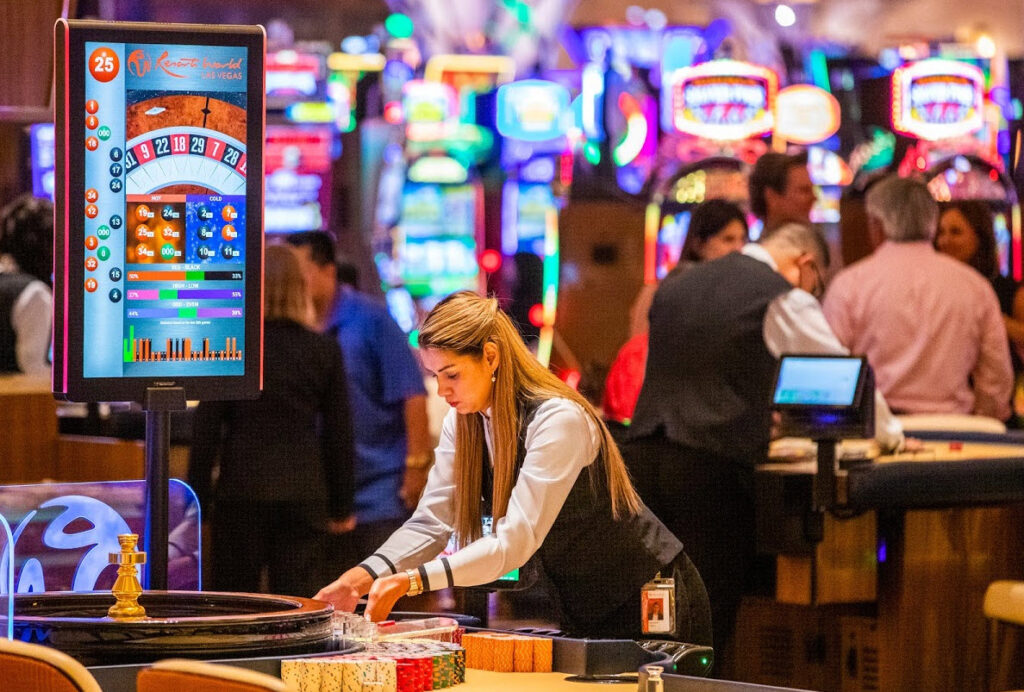
The 19th and 20th centuries saw the globalization of gambling practices, fueled by colonial expansion and technological advancements. The establishment of casinos in Las Vegas, Monte Carlo, and Macau signaled the emergence of gambling as a mainstream entertainment industry. These venues not only transformed the gambling landscape but also became cultural icons, drawing millions of visitors eager to experience the thrill of chance. The glamour and allure of these casinos reflect a significant shift in how society perceives and engages with gambling.
Alongside this growth, the digital revolution introduced online gambling platforms, radically changing how people participate in games of chance. The advent of the internet made it possible for individuals to access gambling from the comfort of their homes, leading to an explosion in the number of players and types of games available. This technological shift has posed new challenges regarding regulation, addiction, and the overall impact of gambling on society, prompting ongoing discussions about the need for responsible gambling practices.
Moreover, the rise of mobile gambling has made betting more accessible than ever, especially among younger demographics. This evolution reflects broader cultural trends that prioritize instant gratification and convenience, showcasing how gambling practices adapt to contemporary lifestyles. As globalization continues to shape cultural exchanges, gambling practices around the world are becoming increasingly intertwined, leading to new hybrid forms of betting that reflect a blend of diverse traditions and modern sensibilities.
Cultural Perspectives on Gambling
The perception of gambling varies significantly across cultures, influenced by historical, social, and religious factors. In many Western societies, gambling is often viewed as a legitimate form of entertainment, whereas in certain Eastern cultures, it may carry a more negative connotation. For instance, in countries like Japan, traditional gaming practices like Pachinko have roots that are deeply woven into the social fabric, yet there remains a cautious approach towards betting. This dichotomy underscores the complexity of gambling and its varied interpretations globally.
Additionally, the intersection of gambling and culture can be seen in the rituals and traditions that accompany games of chance. For instance, in some Indigenous cultures, gambling is intertwined with community gatherings and storytelling, reinforcing social bonds and cultural identity. This perspective highlights that gambling is not merely about winning or losing; it often serves as a means of cultural expression and community engagement, illustrating its multifaceted role in society.
As gambling continues to evolve, it raises important questions about cultural values and ethics. Discussions surrounding responsible gambling and addiction are becoming increasingly important as societies navigate the balance between enjoyment and potential harm. This ongoing dialogue is essential in shaping future gambling practices, ensuring they remain respectful of cultural contexts while promoting safe and responsible engagement.
Conclusion: The Future of Gambling Practices
The historical evolution of gambling practices across cultures reveals a rich tapestry of human behavior, marked by change and adaptation. From ancient rituals to modern casinos and online platforms, gambling has consistently reflected societal values and technological advancements. As we look to the future, it is crucial to recognize the lessons learned from history and the diverse perspectives that shape gambling today.
Ongoing globalization and technological innovations will continue to influence gambling practices, creating new opportunities and challenges. The growing emphasis on responsible gambling and the need for ethical considerations will play a pivotal role in how these practices develop. By embracing a historical perspective, we can better understand the complexities of gambling and its place within diverse cultures, fostering an environment that respects tradition while promoting safe engagement.